Efficient Bulk Trucking: Dependable Cargo Services for Your Cargo Needs
Streamlined bulk trucking serves as a fundamental pillar for next-generation shipment alternatives, meeting various cargo obligations. Companies progressively rely on purpose-built vehicles and advanced logistics systems to perfect operations. This methodology simultaneously minimizes spending but also enhances sustainability efforts. As ventures explore steadfast options, understanding the intricacies of bulk trucking grows essential. Which points of consideration should be weighed when enlisting a service provider, and how can ventures refine their cargo for maximum efficiency?
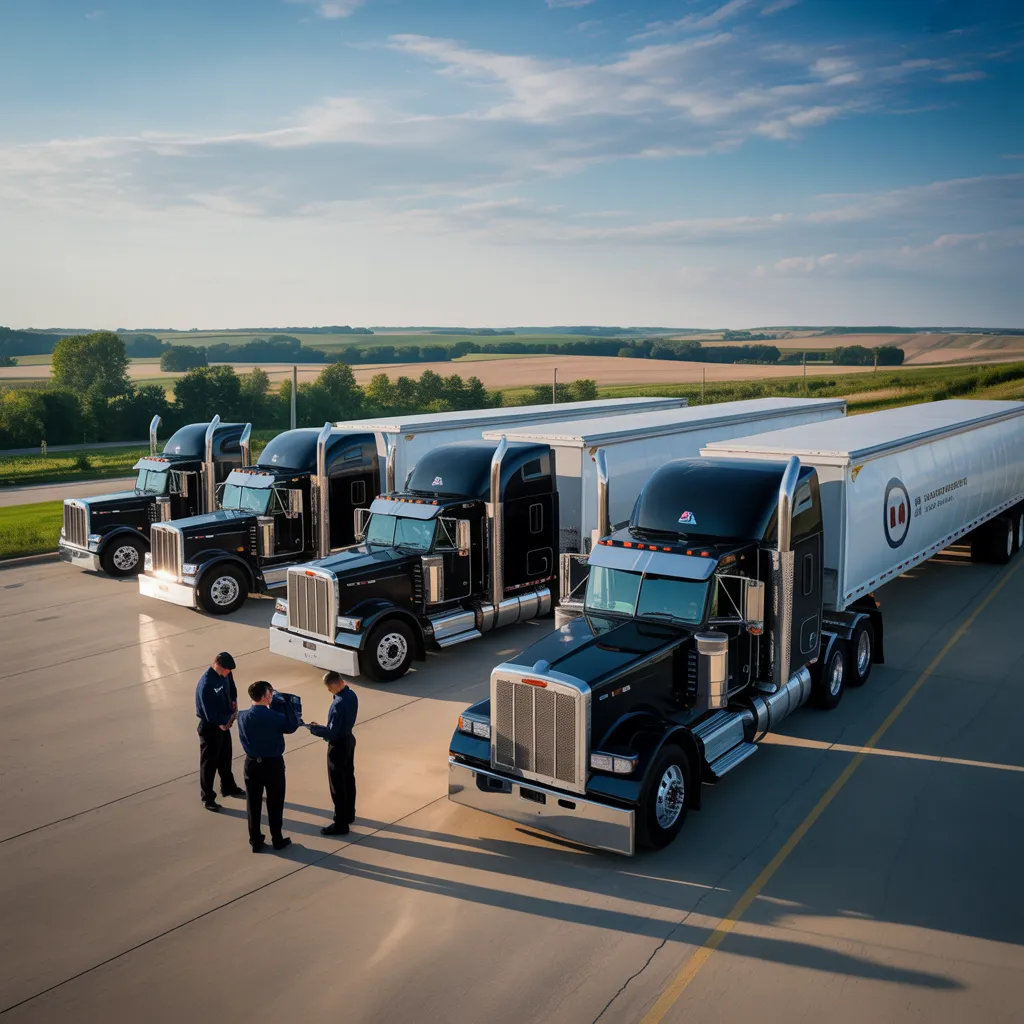
What Means Bulk Trucking and How It Works?
Bulk trucking defines the movement of big volumes of goods, frequently in bulk form, using specialized vehicles designed for optimized movement and transfer. This form of transportation commonly requires the use of tankers, flatbeds, and bulk containers, which are able to manage different cargo types including grains, liquids, or construction materials.
The process starts with the loading of goods at a specified facility, where specialized equipment ensures fast and streamlined handling. Once filled, trucks navigate established routes to deliver the cargo to its destination, often employing GPS technology for optimal pathfinding.
When you arrive, unloading is performed using equipment specifically designed to the particular type of bulk being transported, ensuring reduced spillage and harm. Bulk trucking follows rigorous safety and compliance requirements, stressing the significance of maintaining cargo integrity throughout the transport. This systematic approach significantly improves supply chain efficiency, serving industries that rely on big-scale transportation options.
Leading Benefits of Large-quantity Trucking for Your Company
Efficiency is a primary benefit that businesses can obtain through leveraging bulk trucking services. By combining large shipments, companies can reduce transportation costs markedly. This method minimizes the number of trips needed, which not only cuts fuel expenses but also decreases wear and tear on vehicles.
Additionally, mass transportation often results in more consistent transport timelines, boosting supply chain consistency. Enterprises can better control stock levels, confirming that they have the needed goods available without surplus inventory.
In addition, heavy-haul transportation fosters ecological health by cutting down on the carbon footprint stemming from diverse individual consignments. This environmentally conscious approach appeals to consumers increasingly focused on planetary effects.
To summarize, bulk trucking delivers adaptability, handling different cargo types, extending from raw materials to finished products. Overall, these advantages make bulk trucking a strategic choice for businesses attempting to optimize their logistics operations.
Key Standards for Selecting a Dependable Bulk Trucking Service
Selecting a reliable bulk trucking company is essential for businesses looking to optimize the advantages of their supply chain approach. Key factors to assess include the provider's standing in the industry, which can be gauged through client feedback and recommendations. Compliance with safety standards and industry standards is fundamental, as it guarantees the protection of both cargo and personnel. Moreover, evaluating the company's fleet condition and equipment can indicate their ability for prompt and effective shipments.
Pricing clarity is another critical factor; a dependable provider should provide clear cost structures without concealed charges. Additionally, adaptability in service offerings, such as timing and delivery paths, allows companies to adjust to evolving needs. Finally, strong interpersonal abilities and customer service are critical, ensuring that customers receive information and support throughout the delivery procedure. By carefully evaluating these standards, companies can select a provider that matches their logistics goals.
Maximizing fiscal savings in bulk cargo operations can powerfully improve a company's bottom line. Firms can achieve this by instituting streamlined material handling practices, which minimize turnaround times and reduce labor costs. Harnessing next-generation supply chain solutions to track shipments and optimize routes additionally drives operational gains, ensuring that cargo vehicles reach full capacity and cutting waste miles.
Additionally, choosing the optimal variety of bulk container can lead to significant monetary gains. For example, leveraging specialized containers designed for specific types can reduce product damage and elevate transport performance metrics. Companies may also hammer out sustained understandings with trucking providers to win attractive fee structures, thereby stabilizing outlays.
Regularly examining and assessing business information allows companies to identify inefficiencies and implement focused enhancements. By concentrating on these approaches, companies can optimize their bulk cargo operations, leading to substantial cost savings and a stronger market standing in the market.
Learning About Large-quantity Trucking Regulations and Conformance
Recognizing the standards administering bulk trucking is fundamental for ensuring operational success. Key statutory requirements and safety compliance standards shape the industry, impacting both efficiency and legal adherence. Companies must navigate these frameworks to perfect their logistics and maintain safety protocols.
Critical Governance Requirements
Working through the complex landscape of bulk trucking regulations requires meticulous attention to various key requirements. First, operators must comply with federal and state licensing mandates, guaranteeing that all drivers possess the necessary Commercial Driver's Licenses (CDLs). Additionally, compliance with weight restrictions is imperative; vehicles must not exceed specified limits to avoid penalties and maintain road safety. Moreover, proper documentation, including Bills of Lading and freight manifests, is essential for tracking cargo and promoting transparency. Environmental regulations may also apply, particularly concerning emissions standards for trucks. Finally, understanding insurance requirements is essential, as adequate coverage protects both operators and shippers from unforeseen liabilities. Overseeing these regulatory aspects is crucial for efficient and compliant bulk trucking operations.
Safety Guidelines Standards
Safety compliance requirements form the backbone of efficient bulk trucking operations, ensuring the safeguarding of drivers, cargo, and the public. These standards include a range of requirements, including vehicle maintenance, driver qualifications, and cargo handling procedures. Companies must comply with guidelines set forth by federal and state agencies, such as the Department of Transportation (DOT) and the Federal Motor copyright Safety Administration (FMCSA). Regular maintenance inspections and checks are essential, as they reduce risks associated with equipment failure. Additionally, proper training for drivers on safety protocols enhances awareness of potential hazards. By cultivating a culture of safety compliance, bulk trucking companies not only protect their assets but also establish confidence with clients and the communities they serve.
Safety Guidelines for Bulk Trucking Transport
Ensuring the protection of heavy freight transportation requires an comprehensive approach that tackles multiple hazards on the road. First, periodic vehicle inspections are crucial to spot mechanical problems before they escalate. Proper training for drivers on handling particular load types boosts their ability to handle challenges efficiently. Additionally, following weight limits stops overloading, which can jeopardize stability and braking.
Applying secure loading practices, such as appropriate restraints, minimizes cargo movement during transit. It is also vital to maintain open dialogue with dispatch and other drivers to track road conditions and potential hazards. Using GPS tracking can deliver real-time updates, improving situational awareness.
Finally, cultivating a safety-focused environment within the organization encourages all staff to prioritize best practices. By following these safety tips, bulk trucking operations can significantly minimize risks, ensuring the secure transport of goods while safeguarding lives on the road.
Emerging Trends in Bulk Trucking: What to Anticipate?
What possibilities lie ahead for the bulk trucking industry? As technology continues to advance, several trends are forming the future of bulk trucking. Automation is set to play a important role, with autonomous trucks expected to maximize efficiency and cut operational costs. Moreover, the integration of artificial intelligence and data analytics will streamline route optimization and fuel efficiency, allowing for more stable and timely deliveries.
Sustainability remains a principal concern, with an strengthening focus on green operational methods. Electric and hybrid trucks are set to gain traction, reducing carbon footprints and aligning with regulatory changes. Additionally, telematics advancements will fortify fleet management, furnishing real-time monitoring and improved maintenance schedules.
Ultimately, the surge of e-commerce requires adaptability in bulk trucking services, pushing companies to adopt innovative distribution strategies. Taken together, these shifts signal a transformative chapter for the freight industry, emphasizing performance, sustainability, and flexibility.
Frequently Inquired Questions
What Sorts of Cargo Are Ideal for Bulk Trucking?
Bulk trucking proves ideal for shipping bulk commodities including grains, chemicals, aggregates, and liquids. These cargo types are well-suited for bulk transport as a result of their volume and weight, optimizing performance and decreasing overall shipping costs.
How Do Bulk Trucking Rates Compare to Other Shipping Methods?
Bulk trucking rates are usually more economical than competing transport modes for large volumes. This operational advantage emerges from reduced handling costs and economies of scale, making it a top option for transporting significant quantities of cargo.
What Innovations Are Routinely Leveraged in Bulk Logistics These Days?
Today's bulk hauling operations deploy innovations like GPS tracking for real-time location notifications, telematics for vehicle condition monitoring, electronic logging devices for compliance, and automated routing software to refine delivery results and reduce operational costs.
Is Bulk Trucking Able to Handling International Shipments?
Yes, bulk professional tips trucking can manage international shipments. Companies consistently adopt tailored transportation assets and integrated services to ensure compliance with international regulations, facilitating the transport of goods across borders promptly and safely.
How Does Bulk Trucking Impact the Environment?
Bulk transport plays a role in environmental impacts by way of carbon output, fuel consumption, and potential road degradation. However, advancements in technology and regulations work to mitigate these consequences, fostering more sustainable practices within the business.